Enjoy discounts on puja samgri!

Diwali Puja Vidhi: Step-by-Step Lakshmi Puja Guide for Prosperity
Master the Diwali Puja Vidhi at home with our 2026 guide. Learn the Lakshmi Puja samagri list, eco-friendly tips, and traditional rituals for prosperity.
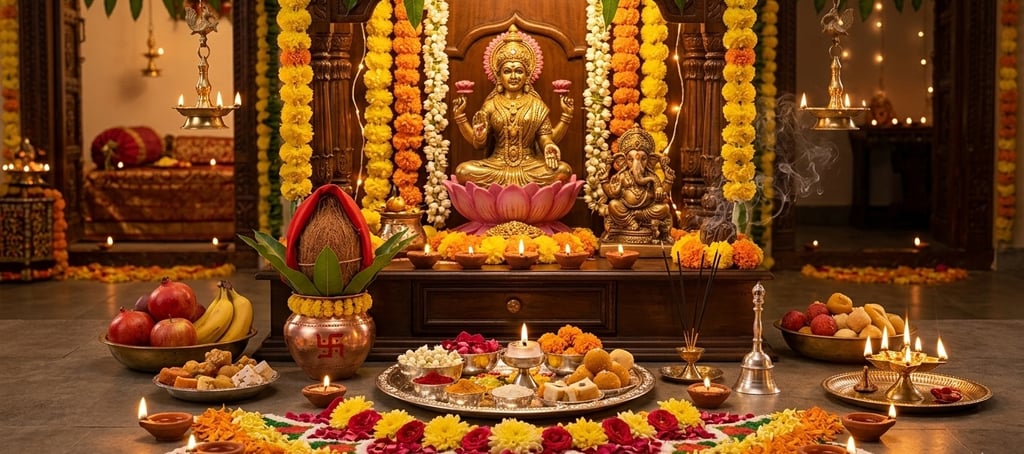
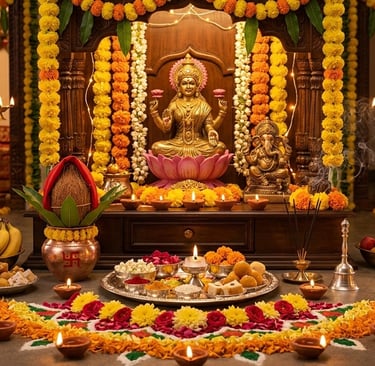
Diwali, the festival of lights, is more than just a celebration; it is a spiritual journey from darkness to light and from ignorance to knowledge. At the heart of this vibrant festival lies the Diwali Puja Vidhi, a sacred ritual dedicated to Goddess Lakshmi and Lord Ganesha. Performing this puja with a pure heart and natural materials brings home the essence of peace, prosperity, and spiritual growth.
In 2026, as we move toward a more conscious lifestyle, many families are returning to their roots. Choosing an eco-friendly Diwali puja not only honors our deities but also protects the Earth—the very source of all wealth.
The Spiritual Significance of Lakshmi Puja on Diwali
Diwali marks the day Goddess Lakshmi wanders the Earth, looking for clean, well-lit, and peaceful homes to bless with her presence. While the crackers and lights are external celebrations, the Lakshmi Puja Vidhi is the internal soul of the festival.
Goddess Lakshmi: The Symbol of Wealth
Goddess Lakshmi is the embodiment of Shree (auspiciousness). She represents eight forms of wealth (Ashta Lakshmi), including prosperity, health, knowledge, and strength.
The Role of Lord Ganesha
No Hindu ritual begins without invoking Lord Ganesha. Known as Vighnaharta (the remover of obstacles), he is worshipped alongside Lakshmi to ensure that the wealth we receive is accompanied by the wisdom to use it righteously.
Essential Diwali Puja Samagri List
Preparation is the first step toward a successful Diwali puja at home. Using natural and traditional materials enhances the sattvic (pure) vibrations of your space.
Lakshmi and Ganesh Idols: Preferably made of clay or eco-friendly materials.
Kalash & Coconut: A copper or brass pot filled with water, topped with a coconut and five mango leaves.
Red Cloth: To place the idols upon.
Flowers & Garlands: Fresh marigolds and lotus flowers (Goddess Lakshmi’s favorite).
Panchamrit: A mixture of milk, curd, honey, sugar, and ghee.
Haldi, Kumkum, and Akshat: Turmeric, vermillion, and unbroken rice grains for tilak.
Traditional Clay Diyas: To signify the triumph of light.
Pure Ghee or Oil: For lighting the lamps.
Eco-friendly Dhoop & Incense: Natural fragrances to purify the air.
Cow Dung Havan Cups: An excellent eco-friendly Diwali puja choice to cleanse the home of negative energy.
Sweets & Fruits: Seasonal fruits and homemade Prasad.
Detailed Diwali Puja Vidhi: Step-by-Step Guide
Performing the Lakshmi Puja Vidhi does not require a priest if you follow these steps with sincere devotion.
1. Purification and Preparation
Start by cleaning your entire home. In Vedic traditions, cleanliness is where divinity resides. Sprinkle Ganga Jal or sacred water throughout the house. Wear clean, traditional clothes before beginning the Diwali puja rituals.
2. Setting up the Altar (Chowki)
Spread a fresh red silk cloth on a raised platform. Place the idols of Goddess Lakshmi and Lord Ganesha. Traditionally, Ganesha is placed to the left of Lakshmi.
3. Kalash Sthapana
Place a handful of grains in the center of the platform. Set the Kalash on top. Fill it with water, add a betel nut, a flower, a coin, and some rice. Arrange mango leaves around the neck and place a coconut on top. This represents the universe.
4. Lighting the Deepam
Light the main diya and incense sticks. At Gaugora, we recommend using cow dung havan cups or natural dhoop to create a temple-like atmosphere that is free from synthetic chemicals.
5. Invocation and Offerings
Invoke the deities by chanting their names. Apply tilak (haldi and kumkum) to the idols. Offer flowers, fruits, and sweets. Pour a little Panchamrit as a symbolic offering of nourishment.
6. Chanting the Lakshmi Mantra
Recite the "Om Shreem Hreem Sreem Kamale Kamallaye Praseed Praseed..." mantra or simply chant "Jai Lakshmi Mata." Use this time to meditate on the abundance you wish to bring into your life.
7. The Aarti
Perform the Lakshmi Aarti with a diya or camphor. Circle the lamp clockwise around the idols, accompanied by the ringing of a bell.
8. Distribution of Prasad
After the aarti, offer the sweets to the deities one last time before distributing the Prasad to all family members.
Why Choose an Eco-Friendly Diwali Puja?
In our quest for prosperity, we must not forget our responsibility toward nature. Traditional Diwali puja steps were always inherently green.
Switch to Cow Dung Products: Using cow dung havan cups and diyas is a "gau-based" tradition that purifies the air and supports sustainable livelihoods.
Avoid Plastic: Replace plastic garlands with real flowers and chemical-based rangoli with rice flour or flower petals.
Natural Fragrances: Use dhoop made from herbs and essential oils rather than synthetic incense that causes indoor pollution.
Benefits of Performing Traditional Diwali Rituals
Positive Energy: The combination of mantras and pure ingredients like ghee and cow dung creates a high-vibrational environment.
Mental Peace: The ritualistic nature of the puja helps reduce stress and brings the family together in a shared spiritual goal.
Cultural Connection: Teaching the Diwali puja at home to the younger generation ensures our rich heritage remains alive.
Attracting Prosperity: Sincere prayer is believed to align your personal energy with the frequency of abundance.
Frequently Asked Questions (FAQs)
What is the correct time for Diwali puja?
The most auspicious time for Lakshmi Puja is during the Pradosh Kaal, which begins after sunset. It is believed that during this time, the "Sthir Lagna" (fixed ascendant) prevails, making the prosperity stay in your home.
Can we perform Lakshmi puja at home without a priest?
Yes. Devotion (Bhava) is more important than the complexity of the ritual. Following the Diwali puja steps mentioned above with a pure heart is sufficient.
What items are required for Diwali puja?
The essential Diwali puja samagri list includes idols of Lakshmi and Ganesha, a Kalash, clay diyas, flowers, sweets, and natural incense or havan cups.
Why is Lord Ganesha worshipped with Lakshmi?
Goddess Lakshmi brings wealth, but Lord Ganesha brings the wisdom to manage it. Without wisdom, wealth can lead to ego and downfall. Therefore, they are always worshipped together.
How to prepare the home for Diwali puja?
Deep clean your home, declutter the entrance, and decorate with rangoli and flowers. Ensure the northeast corner of your house (the Ishan Kon) is clean, as it is the most sacred direction.
Conclusion: A Celebration of Purity
This Diwali, let your prayers be as pure as your intentions. By following the traditional Diwali Puja Vidhi and choosing natural, earth-friendly materials, you honor the divine and the environment simultaneously.
The true light of Diwali shines brightest when we embrace our traditions with a modern sense of responsibility. May Goddess Lakshmi bless your home with eternal health, wealth, and happiness.
Celebrate a pure and eco-friendly Diwali with traditional, gau-based puja products from gaugora.com.